The Future of SSL/TLS Certificates: Why Validity Periods Are Shrinking
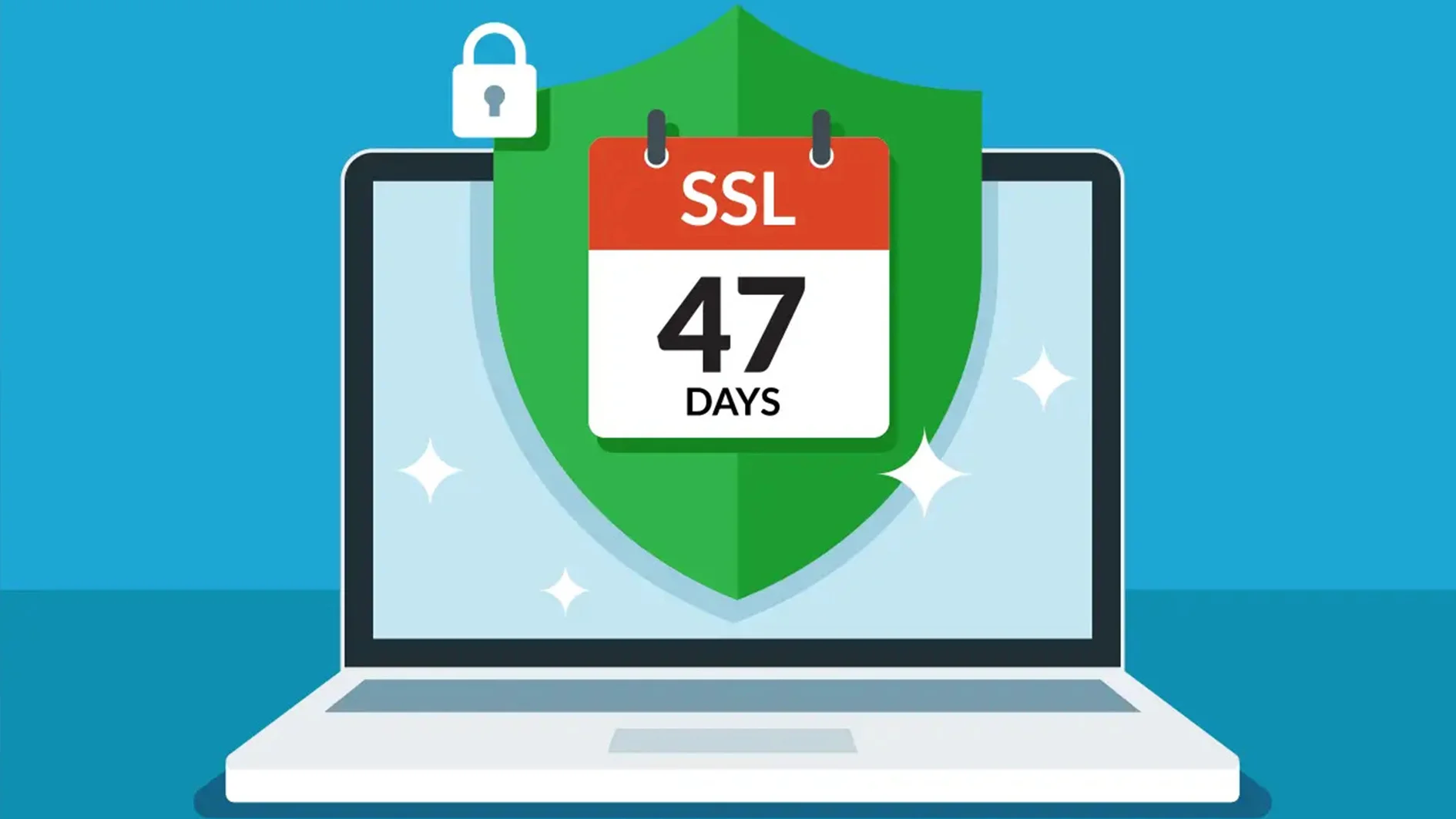
The validity period defines the exact duration during which browsers and security agents recognize a certificate as trustworthy. Cryptographic keys and validation states degrade in reliability over time.
The web security landscape is undergoing a structural shift that directly impacts how web administrators, DevOps engineers, and organization leaders manage their infrastructure. In the past, deploying an SSL/TLS certificate was often a set-it-and-forget-it task—purchasing a multi-year certificate meant uninterrupted HTTPS encryption for half a decade. That era is officially over. Today, certificate lifecycle management has become a continuous operational discipline. Major certificate authorities (CAs) and web browser vendors are aggressively shortening the lifespan of digital certificates, fundamentally altering how we maintain trust across the internet.
What Is an SSL/TLS Certificate and Why Does Validity Duration Matter?
Transport Layer Security (TLS), historically referred to as Secure Sockets Layer (SSL), provides the cryptographic foundation for secure internet communication. When a website implements a TLS certificate, all data exchanged between the user's browser and the hosting server—ranging from login credentials and payment details to personal communications—is encrypted. This prevents adversary-in-the-middle (MitM) attacks, eavesdropping, and data tampering. Beyond encryption, certificates validate domain ownership and, in extended validation tiers, legal entity identities, confirming that users are interacting with the genuine service destination.
The validity period defines the exact duration during which browsers and security agents recognize a certificate as trustworthy. Cryptographic keys and validation states degrade in reliability over time. When a certificate expires without timely renewal, browsers immediately block access and display prominent security warnings. This hard block not only cuts off incoming traffic but also severely compromises brand credibility and disrupts real-time digital operations.
Why Are SSL Certificate Lifespans Becoming Shorter?
The continuous reduction of certificate validity is not an arbitrary rule change; it is a calculated response to evolving threat vectors in cyberspace. Information security standards bodies have reached a clear consensus: long-lived certificates introduce systemic vulnerabilities to the web ecosystem, whereas shorter validity cycles significantly harden overall security posture.
Mitigating Risks of Compromised Cryptographic Keys
One of the primary technical drivers behind shorter lifespans is limiting the window of exposure for compromised private keys. If a private key associated with a two-year or five-year certificate is leaked or stolen, attackers can exploit that key for impersonation or traffic interception until the certificate expires or is manually revoked. Revocation checking mechanisms (such as CRLs and OCSP) have historical reliability flaws. By reducing certificate lifespans to months or weeks, the utility window of any stolen key drops precipitously, mitigating systemic exposure.
Eliminating Stale Validation Data
Domain ownership, corporate structures, and server ownership change frequently. A long-lived certificate keeps validation data active long after internal organizational shifts may have occurred. Enforcing shorter validity periods obligates issuing authorities to re-validate domain ownership and corporate identity at closer intervals. This ensures that the web's global chain of trust relies on verified, up-to-date credential data rather than historical assumptions.
Driving Industry-Wide Adoption of Infrastructure Automation
Manually provisioning, validating, and installing certificates every few months is inefficient and prone to human error. Shorter lifespans serve as a forcing function, compelling technical teams to abandon manual workflows in favor of automated certificate management. This transition pushes organizations to adopt modern, infrastructure-as-code principles that make networks far more resilient and adaptable to future cryptographic changes.
Who Is Driving the Changes in SSL Validity Standards?
The policies governing web security are established through technical consensus and strategic enforcement among key industry stakeholders. Understanding who sets these rules clarifies why shorter lifespans are mandatory across the global web.
The Role of the CA/Browser Forum
The Certification Authority/Browser Forum (CA/B Forum) is the governing voluntary organization composed of major digital certificate authorities and web browser vendors. This body drafts the Baseline Requirements that regulate how certificates are issued and managed. Decreases in maximum allowable certificate validity are introduced, debated, and voted on within this forum to ensure uniform security enforcement across all public CAs.
The Push from Major Web Browser Vendors
Global browser engine developers—most notably Google (Chrome), Apple (Safari), and Mozilla (Firefox)—have consistently championed aggressive security baselines. Browsers represent the front line of user protection. When consensus within the CA/B Forum faced institutional delays from traditional CAs, major browser vendors used their root program policies to unilaterally enforce shorter maximum validity periods, effectively reshaping global market standards to prioritize end-user safety.
How Long Will SSL Certificates Be Valid in the Coming Years?
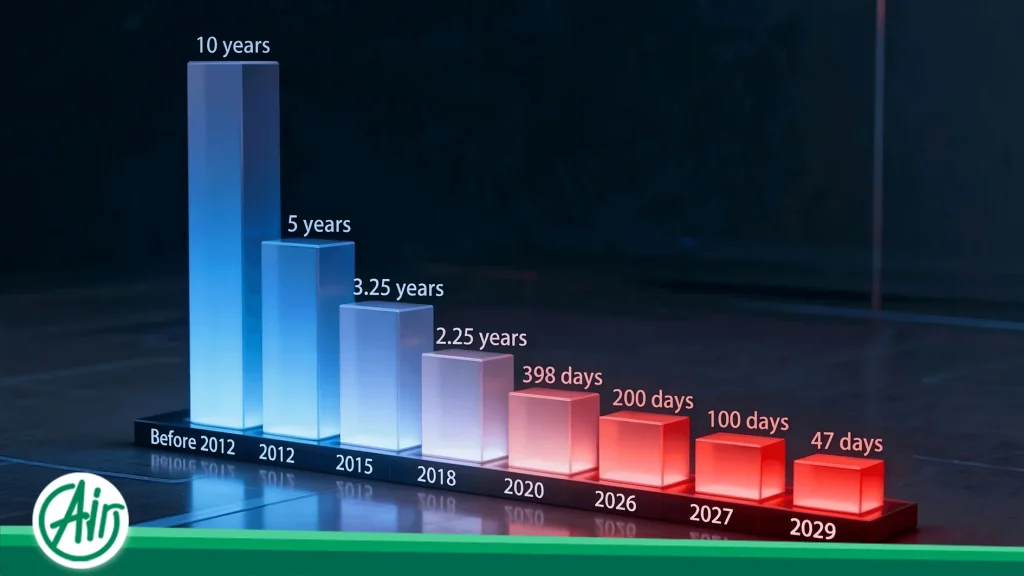
Examining the historical trajectory of TLS validity reveals a continuous downward trend. Certificates that once carried multi-year lifespans have been systematically restricted, moving toward near-continuous automated renewal models.
How Does Shorter SSL Validity Impact Website Owners?
Shortened lifespans demand operational adjustments across IT infrastructure, site maintenance, and system engineering workflows. Failing to adapt to these tighter renewal schedules exposes platforms to service outages.
Increased Operational Frequency for Renewals
The most immediate operational impact is the heightened frequency of certificate renewals throughout the calendar year. Under traditional multi-year models, expiration dates were distant events. Under shortened windows, relying on manual tracking or calendar reminders introduces unacceptable risks of oversight, leading to sudden SSL errors and connection rejections.
The Critical Need for Reliable Infrastructure
As renewal cycles compress, reliance on stable issuance systems and prompt API responses becomes paramount. Server infrastructure must be engineered to handle seamless background updates without requiring web server restarts that drop active connections. System administrators must ensure that their deployment environments interface cleanly with issuing APIs to maintain uninterrupted service.
Does Shorter SSL Validity Affect SEO Performance?
HTTPS remains a confirmed lightweight ranking signal for major search engines, but the lifespan of a valid certificate itself does not alter search indexing. A valid 90-day certificate carries the exact same cryptographic weight in search algorithms as a 1-year certificate.
However, operational lapses caused by shortened cycles pose severe SEO risks. If a certificate expires, search engine crawlers encounter security barriers and abort indexing runs. Simultaneously, user bounce rates spike as browsers display intrusive danger warnings. Prolonged downtime or repeated security misconfigurations resulting from expired certificates will lead to degraded search rankings and lost domain authority.

How to Prepare Your Infrastructure for the Future of SSL
Adapting to shorter certificate lifespans requires shifting from reactive maintenance to proactive infrastructure management. Engineering teams should implement the following core measures:
-
Automate Certificate Renewal: Transition all server environments to automated issuance frameworks to eliminate human intervention in the renewal pipeline.
-
Implement Continuous Expiration Monitoring: Deploy synthetic monitoring tools that track certificate expiration dates across all external and internal endpoints, alerting teams well before failures occur.
-
Standardize Deployment Protocols: Ensure that web servers, load balancers, and reverse proxies are configured to reload updated certificate chains seamlessly without dropping active client connections.
-
Maintain Strict HTTPS Configurations: Regularly audit TLS configurations, cipher suites, and redirect rules to maintain compatibility with modern browser requirements.
The Future of SSL Management: Transitioning to Full Automation
With certificate lifespans moving toward 90 days and below, managing digital identities manually across distributed enterprise networks is unfeasible. The industry standard solution lies in full Certificate Lifecycle Automation (CLM) leveraging protocol standards such as ACME (Automated Certificate Management Environment).
The ACME protocol enables web servers to autonomously request, validate, prove domain control, and install TLS certificates without administrative oversight. In modern infrastructure, DevOps engineers integrate these automated workflows directly into container orchestrators, ingress controllers, and CI/CD pipelines. Platforms that embed automated certificate management into their core operations will navigate upcoming web security shifts effortlessly while maintaining continuous uptime and cryptographic integrity.
Strategic Adaptation to Evolving Web Security Standards
The reduction of SSL/TLS certificate lifespans marks a permanent maturation in web security architecture. Shortening validity periods minimizes key exposure risks, forces the cleanup of outdated identity data, and elevates the baseline security of the entire web. While this evolution increases the frequency of renewal events, it ultimately establishes a more resilient digital environment. By implementing automated lifecycle management, enforcing rigorous monitoring, and building modern infrastructure pipelines, engineering teams can maintain absolute security compliance and flawless service continuity in an increasingly automated web.
Frequently Asked Questions
What is the main reason SSL/TLS certificate validity periods are being shortened?
The primary driver is enhancing overall internet security. Shorter lifespans reduce the operational window during which compromised or leaked private keys can be exploited and ensure that domain validation information remains accurate and up to date.
Will shorter SSL lifespans cause website downtime or higher operational costs?
When automated management protocols are implemented, shorter validity periods do not cause downtime. Certificate issuance cost structures align with duration, and automated workflows eliminate the manual labor costs previously associated with renewals.
How short will SSL validity periods become in the near future?
Major browser root programs, spearheaded by Google Chrome, have outlined roadmaps moving public certificate lifespans down to 90 days, with long-term discussions pointing toward potential 45-day cycles.
Does an expiring or short-lived SSL certificate hurt SEO?
A short validity period does not hurt SEO as long as the certificate remains valid. However, allowing a certificate to expire will trigger browser warnings, block search engine crawlers, increase bounce rates, and negatively impact search rankings.
How can organizations automate their SSL certificate renewals?
Organizations can implement automated certificate renewals by using standard protocols like ACME integrated directly into web servers (such as Nginx, Apache, or Caddy), load balancers, or enterprise Certificate Lifecycle Management (CLM) tools.